Discover the latest technologies transforming the modern film industry, from virtual production and AI to advanced CGI.
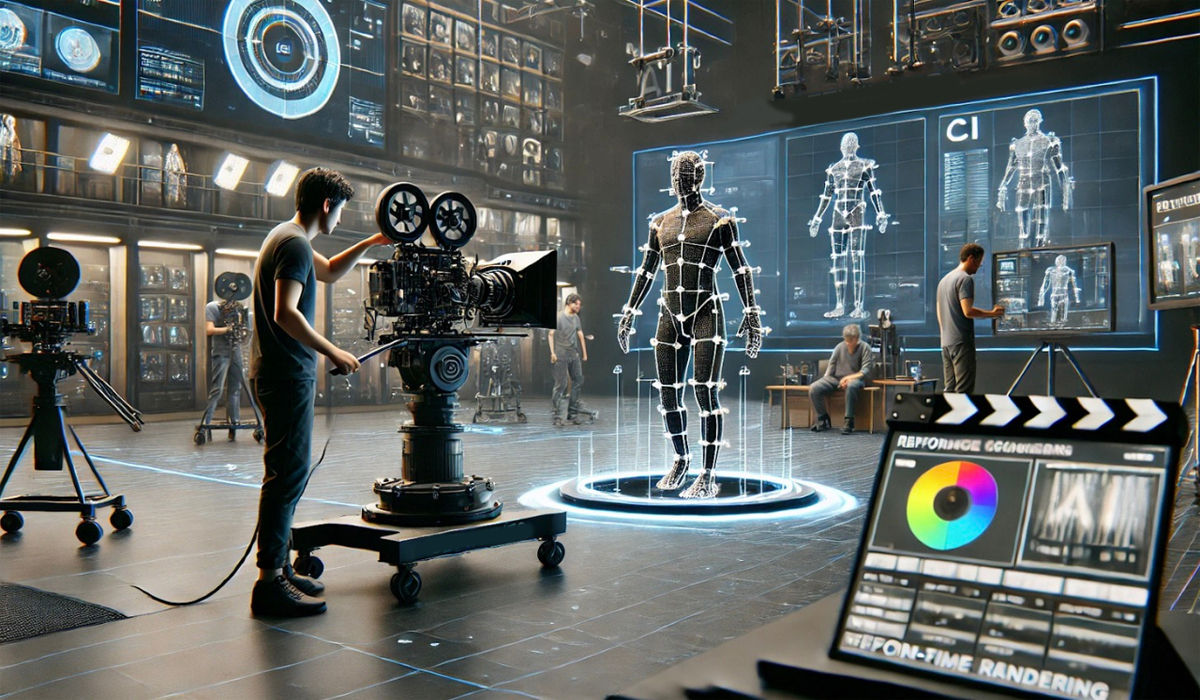
Virtual production has rapidly become one of the most transformative technologies in modern filmmaking. By combining large LED walls, real-time rendering engines, and motion tracking systems, filmmakers can create immersive digital environments directly on set. Instead of relying solely on green screens and post-production compositing, directors and cinematographers can now see digital backgrounds in real time while filming.
A key driver behind this shift is the use of powerful game engines such as Unreal Engine, which allows realistic lighting, shadows, and reflections to interact naturally with actors and physical sets. Real-time rendering enables filmmakers to adjust environments instantly, saving time and production costs.
Below, MOVIE will provide some explanations regarding Reinventing Learning Systems for an Innovation-Driven Future.
Artificial Intelligence In Post-Production
Artificial intelligence (AI) is reshaping post-production workflows in remarkable ways. From automated video editing to intelligent color correction, AI-driven tools help streamline tasks that once required countless manual hours. Editors can now rely on machine learning algorithms to sort footage, detect the best takes, and even suggest edits based on script analysis. This significantly accelerates the editing timeline while maintaining high creative standards.
Beyond editing, AI is also revolutionizing visual effects and sound design. Deep learning systems can upscale low-resolution footage, remove unwanted objects, and generate realistic digital doubles. In audio production, AI tools can isolate dialogue from background noise with impressive precision.
Advanced CGI and Motion Capture
Computer-generated imagery (CGI) continues to evolve with increasing realism and sophistication. Modern CGI techniques incorporate advanced physics simulations, high-resolution textures, and lifelike character animation. The integration of performance capture technology allows actors’ facial expressions and subtle movements to be translated directly into digital characters. This level of detail has elevated storytelling by making fantastical worlds and creatures feel emotionally authentic.
A major breakthrough in this field can be seen in films like Avatar: The Way of Water, where cutting-edge motion capture and underwater performance technology created unprecedented realism. Enhanced facial tracking systems capture micro-expressions, ensuring that digital characters convey genuine human emotion.
Read Also: The Legacy of Robert Downey Jr: The Man Who Started Everything
Cloud Collaboration And Remote Filmmaking
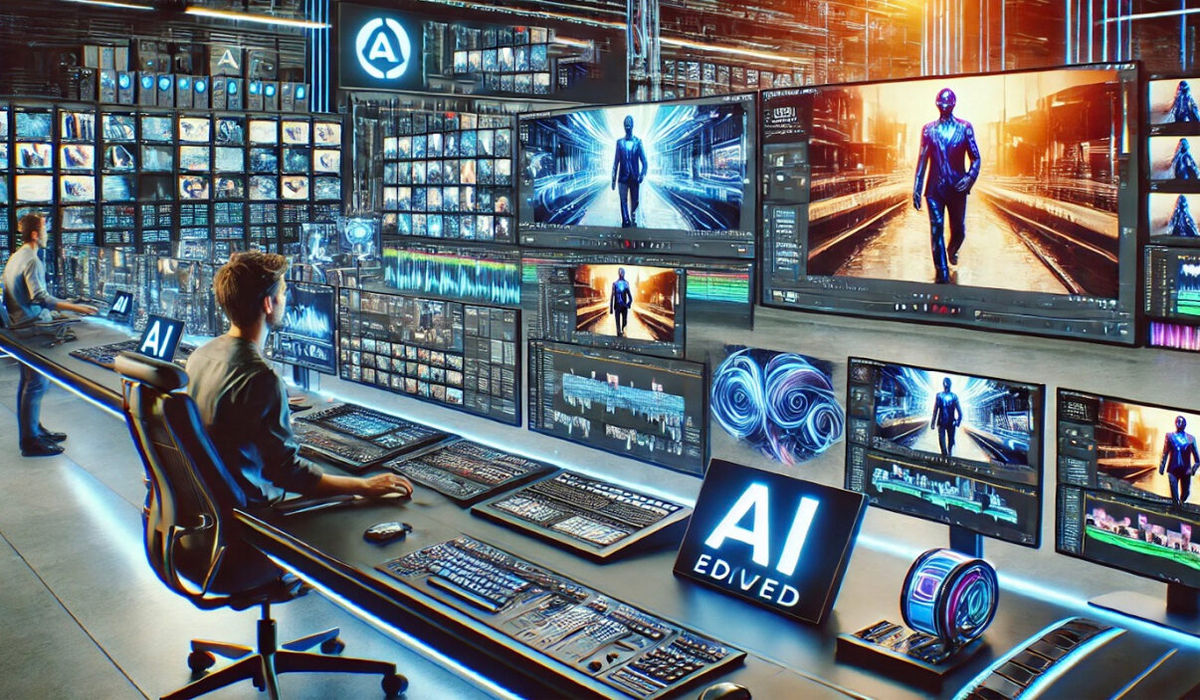
The rise of cloud-based technologies has transformed how film productions operate, particularly in an increasingly globalized industry. Cloud platforms enable editors, visual effects artists, and sound designers to collaborate in real time from different parts of the world.
Remote filmmaking solutions also gained momentum during global disruptions, demonstrating that high-quality productions can continue even when teams are geographically separated. Virtual review sessions, synchronized editing timelines, and secure digital asset management systems ensure that projects remain on schedule.
Conclusion
The modern film industry is undergoing a technological renaissance driven by innovation in virtual production, artificial intelligence, advanced CGI, and cloud collaboration. These tools are not merely enhancing efficiency; they are redefining how stories are imagined, created, and delivered to audiences. Real-time rendering allows filmmakers to visualize complex scenes instantly, while AI accelerates post-production processes without compromising artistic integrity.
As technology continues to evolve, the boundaries of cinematic storytelling will expand even further. Filmmakers now have access to tools that were once considered futuristic, enabling them to create richer, more immersive experiences.
For the latest and most interesting related information, you can also click the TEACHING link.
Image Source:
First Image from theupcoming.co.uk
Second Image from theupcoming.co.uk