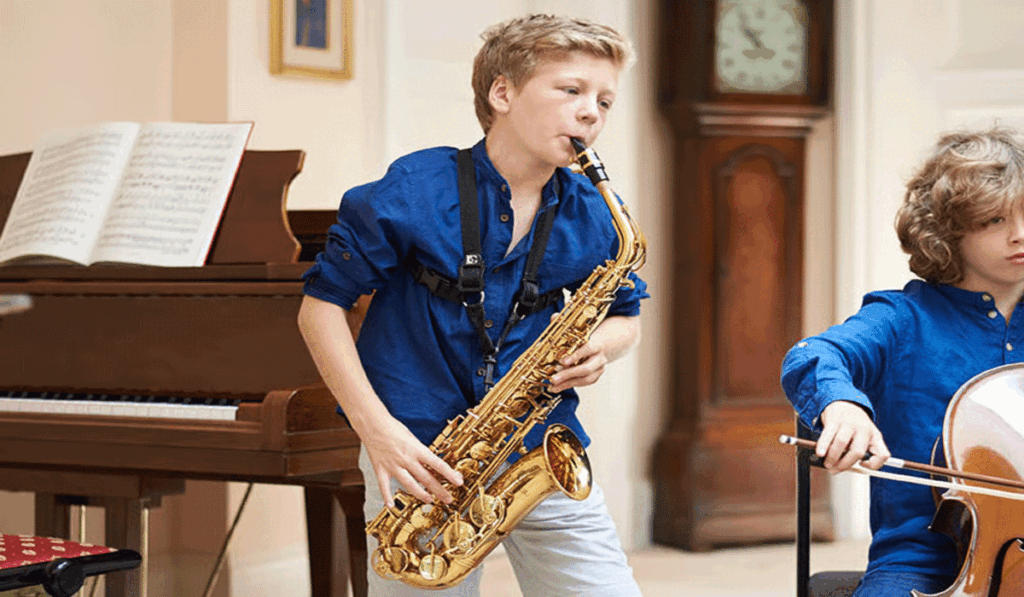

Jazz music is famous for its lively rhythms, expressive melodies, and spontaneous improvisation.

At the core of this vibrant genre lies the brass instrument, a metal wind instrument that can produce warm, bright, and captivating tones. Far from being just a background instrument, brass often takes center stage, adding character and emotion to every jazz performance. Here’s Lifestyle & Inspirations a closer look at why brass instruments are so essential to jazz.
The Birth of Brass in Jazz
Brass instruments have been central to jazz since the early 20th century. Small orchestras and brass bands often featured trumpets, trombones, and cornets as their main instruments. Their bold, clear sound instantly set jazz apart from other types of music. New Orleans, the birthplace of jazz, played a key role in popularizing brass instruments.
Musicians like Louis Armstrong showcased incredible improvisation on the trumpet, helping this instrument gain worldwide fame. Over time, new playing techniques and instrument modifications expanded the musical possibilities. Jazz musicians could experiment with harmonies, melodies, and rhythms, making each performance unique and exciting.
Exploring Different Brass Instruments
Jazz incorporates several types of brass instruments. The trumpet is the most popular, known for its bright and flexible sound. Trombone, with its deeper tone, often provides harmonic support and melodic accents. Cornet, similar to the trumpet but shorter, offers a warmer tone.
Less common instruments like the flugelhorn and tuba are sometimes used to add depth and variety to the music. Each brass instrument has its own voice and character. Many professional jazz musicians learn multiple brass instruments, giving them flexibility to adapt to different styles and arrangements.
Playing Techniques That Bring Jazz Alive
Brass instruments in jazz come alive through unique playing techniques. Vibrato, glissando, and tonguing allow musicians to express emotion and add dynamic textures to the music. Improvisation is at the heart of these techniques, making each performance one-of-a-kind.
Breath control is crucial. Players must manage airflow to maintain steady, accurate tones that fit the rhythm. Mastering this skill requires hours of dedicated practice. By combining technique with creativity, brass players can interact with other instruments spontaneously, crafting melodies and rhythms that thrill audiences and define the jazz experience.
Read Also: Improve Your Life With Fashion As a Source Of Inspiration
Legendary Brass Musicians

Many jazz legends are celebrated for their brass playing. Louis Armstrong revolutionized jazz trumpet with his expressive improvisation, inspiring generations of musicians. Miles Davis brought new styles and experimental sounds to the trumpet, while John Coltrane, famous for his saxophone, also influenced brass playing with innovative approaches to melody and harmony.
These musicians not only performed brilliantly but also advanced jazz as a whole. They proved that brass instruments could tell stories and convey deep emotion in ways no other instrument could.
Brass in Modern Jazz
Brass instruments remain vital in contemporary jazz. Bands and orchestras often blend trumpets, trombones, and cornets to create rich, layered sounds that captivate audiences. In addition to live performances, brass instruments play a key role in studio recordings, adding a warm, distinct character to jazz tracks.
Their tones can lead melodies or enhance harmonies seamlessly. Young musicians today are experimenting with electronic effects and modern techniques, pushing the boundaries of brass music. Lifestyle & Inspirations This shows that, even in today’s digital world, brass instruments are timeless and essential in jazz.
Image Information Source:
- First Image from: www.standard.co.uk
- Second Image from: schoolofmusic.ucla.edu


