Tracing the long history of Music from ancient civilizations to digital technology that has changed the way humans enjoy sound.
Music is a form of organized sound expression that humans have used for a long time for communication, rituals, entertainment. And the formation of a society’s cultural identity. In the following, Lifestyle & Inspirations will discuss the development of sound art from ancient times to the digital era and the technological changes that influence the way it is created and distributed.
The Beginnings of Music in Ancient Civilizations
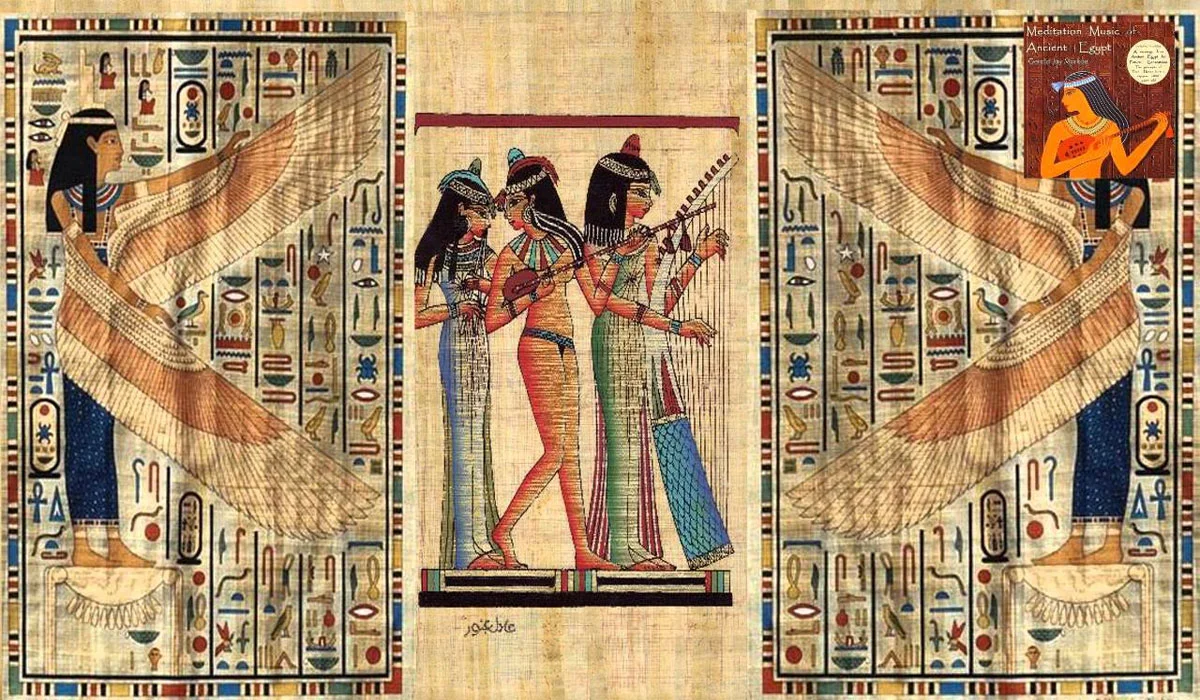
The early development of music is rooted in the lives of ancient humans, who used sound as a means of communication, ritual, and cultural expression. Simple instruments such as stone, wood, bone, and animal skin were used to produce regular rhythms. Many ancient civilizations, such as Egypt, Mesopotamia, and Greece, have left evidence of the use of musical instruments in religious and social activities.
Wall paintings, carvings, and artifacts indicate the presence of instruments such as early harps, bone flutes, and primitive drums. During this period, sound was often associated with spiritual beliefs and religious ceremonies. Rhythm was believed to connect humans with the forces of nature and the spiritual world.
In addition to its ritual function, structured sound was also used in work activities and community celebrations. Although technology was still rudimentary, tonal patterns began to develop, forming the basis for the musical scale system known in classical music theory later in the period.
The Development of Music in the Classical Era
During the classical era, music began to be influenced by philosophical and scientific thought. The ancient Greeks, for example, considered harmony to be an essential part of the balance of the universe. Figures like Pythagoras studied the relationship between string length and pitch, thus giving rise to the basic concepts of musical theory.
The instruments used during this period became increasingly diverse, including the lyre, the aulos, and various types of lute. Besides its use in religious rituals, the art of sound also became an important part of public education and entertainment. In Rome, musical performances were often featured at public festivals and theatrical performances.
It was also during this period that simple notation systems for recording melodies began to emerge. While not as complex as modern systems, these recordings helped preserve compositions. The classical musical tradition ultimately influenced the development of the art of sound in Europe and the Middle East for centuries to come.
Also Read: Beyond the Pages: Books That Inspire Ideas and Imagination
The Transformation of Music in the Middle Ages
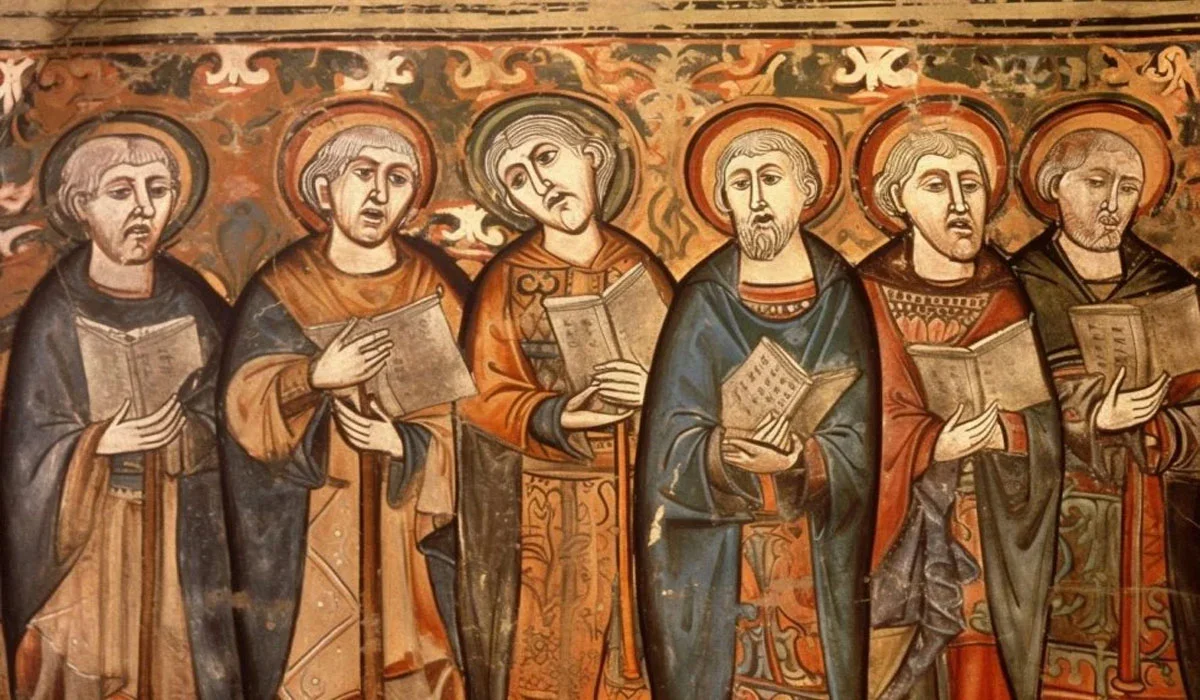
Entering the Middle Ages, the development of music was heavily influenced by religious institutions, particularly the church in Europe. Liturgical chants such as Gregorian chant became the dominant musical form in people’s spiritual lives. These songs were typically sung without instrumental accompaniment, with simple melodic patterns that emphasized the clarity of the religious text.
During this period, notation systems began to develop more clearly to help singers maintain pitch consistency. In addition to church traditions, the art of singing also developed through wandering poets known as troubadours. They composed songs on themes of love, heroism, and everyday life.
Instruments such as the lute, rebec, and harp were often used to accompany these songs. This development marked a shift from religious functions to broader social entertainment. Although simple, the melodic and harmonic structures of this period laid an important foundation for the development of composition during the Renaissance.
Musical Revolution in Industrial Age & Recording
Technological developments during the industrial age brought about major changes in the production and distribution of music. The invention of recording devices such as the phonograph in the late nineteenth century allowed sound to be recorded and played back for the first time in history. This changed the way people enjoyed musical works, as performances were no longer confined to concert halls or live events.
The recording industry then boomed with the advent of vinyl records, cassettes, and digital discs. This technology enabled the works of composers and performers to be distributed more widely across regions. Furthermore, musical instruments also underwent innovations, such as the modern piano, electric guitar.
And various electronic instruments. These changes gave rise to a variety of new genres that reflected the social and cultural dynamics of society. From jazz to rock, these developments demonstrate how technology can expand creative possibilities and accelerate the spread of musical works worldwide.
Digital Era & Transformation of Global Music
Entering the digital era, the production, distribution, and consumption of music have undergone significant changes. Computer technology allows recording processes to be carried out with more efficient software than traditional analog studios. Streaming platforms have also transformed consumption patterns, as musical works can now be accessed instantly via the internet.
Digital services facilitate the distribution of songs to various countries without the physical limitations of previous recording media. Furthermore, software-based production technology opens up opportunities for independent creators to produce quality work without expensive equipment. This phenomenon is expanding the diversity of musical genres and styles worldwide.
Collaboration between artists from different countries is also becoming easier through digital communication. These developments demonstrate that technology is not only transforming the entertainment industry but also accelerating the evolution of human creativity in creating and enjoying sound art.
Image Information Source:
First Image from: mozartcultures.com
Second Image from: www.culturefrontier.com