Music is more than just background noise or entertainment it is a powerful force that shapes our emotions, memories, and even our sense of identity.

From ancient tribal drums to modern streaming playlists, it serves as both a universal language and a deeply personal expression.
This Lifestyle & Inspirations article will explore how music moves and inspires us, the emotional and psychological effects it has, the role it plays in personal growth and culture, and how it shapes our daily experiences.
Music and Emotional Expression
One of the most profound impacts of music is its ability to express emotions. A single song can encapsulate joy, sorrow, nostalgia, or excitement, often communicating feelings that words alone cannot. This emotional resonance allows listeners to connect deeply with the music and with themselves.
For example, listening to an upbeat pop song can create a sense of happiness and motivation, while a slow, minor-key piece might evoke introspection or catharsis. Composers and performers often harness this emotional power intentionally, crafting pieces that resonate universally while remaining personally meaningful.
Music as a Motivator
Music is also a powerful motivator. Athletes, students, and professionals often use music to enhance focus, energy, or endurance. A fast-paced beat can increase heart rate and stimulate physical activity, making workouts more enjoyable and productive.
Beyond exercise, music can enhance mental performance. Many people study or work while listening to specific genres like classical or lo-fi to improve concentration and reduce stress. In this way, music becomes a tool for productivity, seamlessly integrating into daily routines.
Memory, Nostalgia, and Storytelling
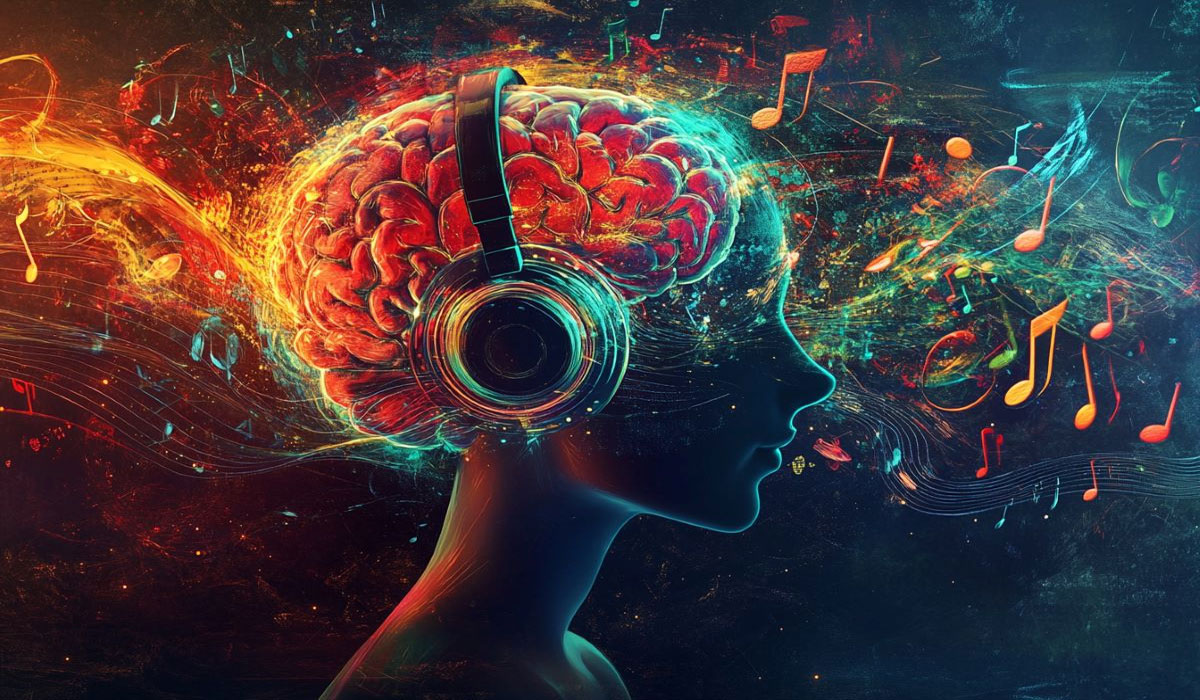
Music has a unique ability to trigger memories. Hearing a familiar tune can instantly transport someone back to a particular moment in time, evoking vivid recollections of people, places, or emotions. This connection is why songs often play a central role in weddings, graduations, and other significant life events.
Moreover, music is a form of storytelling. Lyrics, rhythms, and harmonies can convey narratives, cultural histories, and personal journeys. Through song, individuals and communities preserve experiences, share wisdom, and celebrate identity, making music both intimate and communal.
Music and Personal Growth
Engaging with whether by playing an instrument, singing, or composing also fosters personal growth. Learning music develops discipline, patience, and creativity. It can improve cognitive abilities, enhance emotional intelligence, and even strengthen social skills through collaboration in bands or choirs.
Performing or creating music encourages self-expression and confidence. It provides a channel for processing complex emotions and exploring identity. In essence, music helps individuals better understand themselves and the world around them.
Cultural Significance of Music
Music reflects and shapes culture. Every society has unique musical traditions that communicate values, history, and social norms. Globalization has further expanded this exchange, allowing diverse musical styles to influence each other and enrich collective human experience.
From jazz and reggae to hip-hop and classical symphonies, music serves as both a mirror and a catalyst for cultural evolution. It connects generations, unites communities, and inspires social movements, demonstrating its profound societal impact.
Conclusion
Music is far more than entertainment it is an emotional guide, a motivator, a storyteller, and a cultural bridge. It moves us, inspires us, and shapes the way we experience life. By listening, creating, and engaging with music, we enrich our personal and communal worlds, adding depth, meaning, and rhythm to our everyday experiences.
Take your time to read more interesting information and broaden your insight, only at Lifestyle & Inspirations.
Image Information Source:
- First Image from: dannykeough.com
- Second Image from: neurosciencenews.com