
Music is a universal language capable of touching the human heart, regardless of culture, age, or background.
In every note, rhythm, and lyric, music has the power to influence emotions, memories, and even mental health. It’s not uncommon for someone to feel carried away by the music, as if every vibration touches the deepest part of their soul. Check out the complete facts about Music That Moves the Soul, only at Lifestyle & Inspirations.
The Emotional Power of Music
One of the main reasons music can move the soul is its ability to evoke intense emotions. Soft melodies can evoke a sense of peace, while fast, dynamic rhythms can increase enthusiasm and energy. Music can also evoke nostalgia, reminding us of specific moments in our lives. Research shows that music affects the same areas of the brain that process emotions, including the amygdala and hippocampus. This is why some songs can bring tears to our eyes, evoke happiness, or even inspire courage to face challenges.
Furthermore, heartfelt lyrics can build personal connections. When someone hears words that resonate with their life experiences, a sense of understanding and acceptance emerges. Music becomes a medium for self-reflection, helping us understand feelings that are difficult to express with words.
Music and the Brain A Biological Connection
Music not only touches the heart but also the body through biological responses. When listening to a favorite song, the body produces dopamine, a neurotransmitter responsible for feelings of pleasure and satisfaction. This dopamine provides a sense of “being alive” that is difficult to achieve from other activities. Furthermore, the heart rate, breathing, and even brain waves can adjust to the rhythm of the music. Fast music tends to increase heart rate and energy, while slow music helps calm the nervous system.
This process also affects cognitive abilities. Several studies have shown that listening to music while studying or working can improve focus, creativity, and memory. This demonstrates that music is not just entertainment, but also a tool that strengthens human mental capacity.
Read Also: Uncover the Secret to Every Businessperson’s Financial Success
Music as a Tool for Expression and Identity
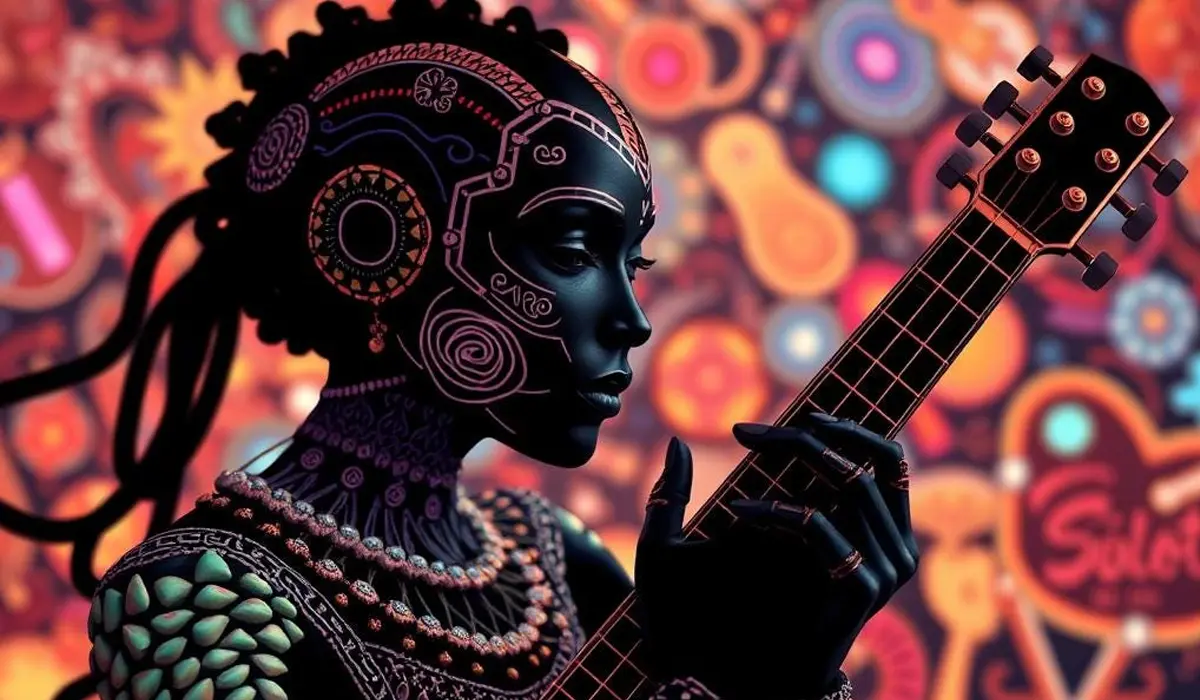
Beyond influencing emotions and biology, music plays an important role as a means of self-expression. Every musical genre, from classical to modern, carries distinctive characteristics that reflect individual or group identity. Through music, one can express happiness, sadness, rebellion, or love without having to speak. Concerts, festivals, or musical performances provide a space for people to feel connected with others who share similar tastes.
Cultural identity is also reflected in music. Every region or nation has its own unique rhythms and musical instruments that convey its history, values, and traditions. Listening to music from various cultures not only enriches the experience but also builds empathy and understanding between people. Music serves as a bridge connecting individual and collective life.
Music and Therapy Healing the Soul
Music’s role extends beyond entertainment and expression; it also has therapeutic benefits. Music therapy has been used to help reduce stress, anxiety, depression, and even sleep disorders. Certain tones and rhythms can calm the nervous system, helping the body and mind return to a state of balance. Even in certain medical conditions, music is used to increase patient motivation, aid physical recovery, and support communication for those experiencing verbal difficulties.
Furthermore, music helps improve the quality of life emotionally. Listening to songs that evoke fond memories can provide a sense of comfort and optimism. Music also helps reduce feelings of loneliness because it provides a sense of connection to something greater, whether through lyrics, melodies, or the collective experience of a concert or performance.
Music and Life Experiences Making Moments More Lively
One of the most amazing aspects of music is its ability to make life’s experiences feel more alive. A long journey can feel more enjoyable with a favorite song, while during romantic or celebratory moments, music can heighten the intensity of feelings. Film, theater, and stage performances also utilize music to evoke emotions in audiences, add dimension to narratives, and enhance the story.
Music teaches us to be fully present in the moment. When we enjoy a song, we pay attention to every detail of the notes, lyrics, rhythm, and dynamics. This sensation promotes mindfulness and enhances the human experience, making life feel more meaningful. Thank you for taking the time to find out interesting information about, Music That Moves the Soul at Lifestyle & Inspirations, we will provide lots of other information.
Image Information Source:
First Image from: intuitiveandspiritual.com
Second Image from: satyagrah.news
