Traditional Indonesian clothing is one of the rich cultural heritages, possessing unique motifs, colors, and philosophies behind each fabric.

This fusion results in a work that is not only esthetically pleasing but also brings cultural identity to the global fashion stage. Traditional Lifestyle & Inspirations Indonesian clothing is one of the nation’s rich and captivating cultural heritages, reflecting the diversity of its tribes, customs, and noble values.
The Evolution of Traditional Fashion in the Modern Era
As times have changed, traditional Indonesian clothing has undergone significant transformations. From initially being worn only at official or traditional events, traditional fabrics like batik, songket, and woven cloth can now be incorporated into everyday clothing.
For example, batik tops can now be combined with jeans or modern skirts, making them look more casual and flexible. Young designers are also becoming more daring in experimenting with asymmetrical cuts, pastel colors, or minimalist accents on traditional clothing. This change proves that traditional fashion is not static. But is able to adapt to global fashion trends without losing its identity.
The Role of Designers in Combining Tradition and Trends
Designers play a crucial role in keeping traditional fashion alive and appealing to the current generation. They didn’t just adopt traditional motifs; they also reinterpreted them in a more modern form. For example, songket fabric, which was originally worn as a sarong. Can now be made into a contemporary blazer or dress with a simpler silhouette.
This creativity opens up opportunities for traditional fashion to appear on international runways while still preserving the cultural values it contains. With this approach, traditional clothing is no longer considered old-fashioned, but rather as a fashionable and relevant symbol of identity.
Read Also: The Secret to Modern Fashion Style, Comfort, and Identity in One Look
Modern Fashion Inspiration in Clothing Details
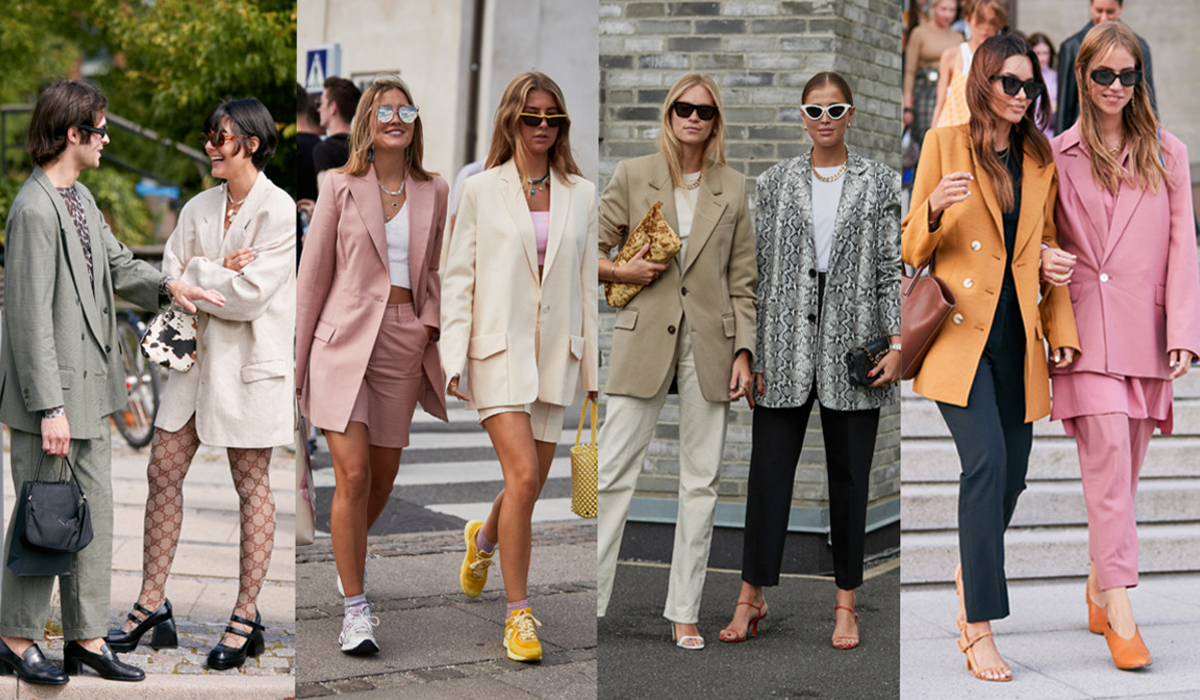
Modern fashion often emphasizes comfort, flexibility, and personalization, and these principles are applied in modified traditional clothing. For example, using lighter materials or modern washing techniques makes traditional clothing more comfortable for everyday wear.
Details like minimalist embroidery, oversized cuts, and contrasting color combinations also make traditional clothing more eye-catching. Some designers even create multifunctional clothing that can be worn for both formal and casual events while still highlighting traditional motifs. This approach demonstrates how tradition can harmonize with contemporary trends without losing the original essence of the culture.
Traditional Clothing as a Global Identity
The fusion of traditional attire with contemporary fashion not only influences local styles but also strengthens cultural identity on the international stage. Many global celebrities and influencers are starting to wear modern versions of traditional Indonesian clothing when appearing at global events. Thereby increasing appreciation for the beauty of Indonesian fabrics.
This train also encourages people to love their own culture more, while simultaneously showing that cultural heritage doesn’t have to be outdated. By modernizing traditional fashion, cultural identity becomes something that is alive. Can be enjoyed, and remains relevant for all generations.
Conclusion
Traditional attire inspired by contemporary fashion demonstrates that culture and modern trends can complement each other. Thru the touch of creative designers, traditional motifs and fabrics become more flexible and relevant, attracting the interest of the younger generation to use them in their daily lives. This transformation is not just about esthetics, but also about preserving cultural identity amidst globalization.
With the right combination, traditional attire not only retains its beauty but also proves that cultural heritage can coexist with modern style. Becoming a symbol of pride and innovation in the fashion world.
Image Information Source:
First Image from: en.people.cn
Second Image from: indoindians.com