Discover the most controversial movies that have everyone talking, with unique stories, shocking scenes, and exciting debates in every scene.

Cinema has always been more than just entertainment it is a mirror reflecting society, its fears, desires, and taboos. Throughout the history of film, certain movies have sparked debates, outrage, and heated discussions due to their bold storytelling, provocative themes, or graphic depictions. These films often challenge audiences to confront uncomfortable truths or question moral boundaries. While some are criticized for crossing ethical lines, others are celebrated for daring to push artistic limits.
Exploring Human Darkness: A Clockwork Orange
Stanley Kubrick’s 1971 adaptation of Anthony Burgess’ novel remains a landmark in cinematic controversy. “A Clockwork Orange” delves into the psychology of extreme violence and societal control, following the young delinquent Alex and his gang of “droogs.” The film’s explicit depiction of sexual assault and graphic violence caused widespread outrage, leading to bans in several countries and even a temporary withdrawal in the United Kingdom by Kubrick himself.
Critics argued that the film glorified violence, yet defenders claim it offers a stark critique of free will, state control, and the nature of evil. Its audacious approach to morality, combined with its unsettling visuals and classical music score, ensures that discussions about its ethical and psychological implications remain active decades after its release.
Shocking Realism: Kids
Harmonizing with the gritty realism of 1990s New York City, Larry Clark’s 1995 film “Kids” shocked audiences with its raw portrayal of teenage sexuality and drug culture. The film was widely condemned for featuring underage actors in sexually explicit situations, raising serious legal and ethical questions. While some saw it as exploitative, others praised its unflinching look at urban youth culture, portraying the consequences of reckless behavior with brutal honesty.
“Kids” sparked debates about censorship, artistic responsibility, and the line between representation and exploitation, solidifying its status as one of the most controversial films of the decade. Its cultural impact is undeniable, as it forced viewers and critics alike to confront a reality often ignored in mainstream cinema.
Also Read: Pop Punk Lifestyle: When Music Becomes a Way of Life
The Boundaries of Taste: Cannibal Holocaust
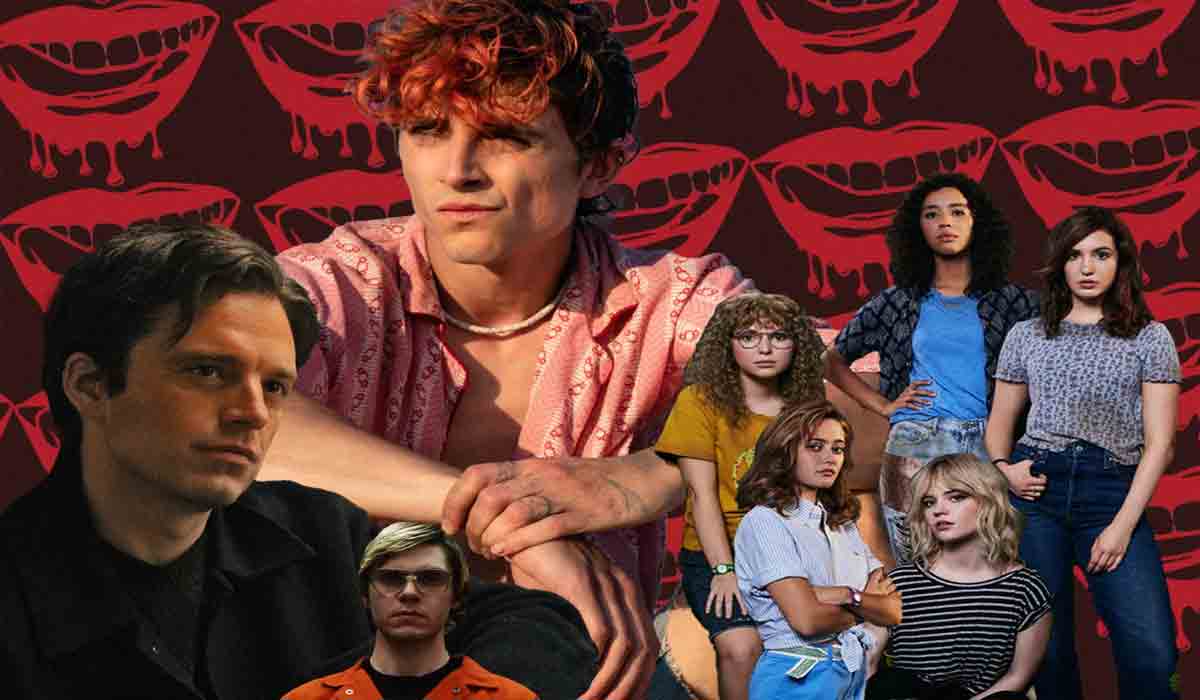
Ruggero Deodato’s 1980 horror film “Cannibal Holocaust” is infamous for its extreme content and the blurred line between fiction and reality. Marketed as a “found footage” documentary, it included highly graphic depictions of violence against humans and animals. The film’s hyper-realistic portrayal led to accusations that Deodato had committed actual murders, resulting in a criminal investigation. Beyond the shock value, “Cannibal Holocaust” raises ethical questions about voyeurism, the exploitation of indigenous people, and the responsibilities of filmmakers in depicting violence. Its notoriety lies not only in its content but also in the intense reaction it provoked, highlighting society’s fascination with, and horror of, extreme cinematic realism.
Political and Religious Provocation: The Last Temptation of Christ”
Martin Scorsese’s 1988 film adaptation of Nikos Kazantzakis’ novel caused waves of controversy due to its unorthodox portrayal of Jesus Christ. “The Last Temptation of Christ” explores the human side of Jesus, including doubts, fears, and the temptation of a normal earthly life. Religious groups denounced the film as blasphemous, leading to protests, boycotts, and bans in multiple countries.
Despite this, the film received critical acclaim for its thoughtful and daring approach to faith, spirituality, and the complexities of divine purpose. The clash between artistic expression and religious sensibilities underscores the enduring tension between freedom of speech and respect for deeply held beliefs, ensuring the film remains a touchstone in discussions about faith in cinema.
Challenging Historical Narratives: Birth of a Nation
D. W. Griffith’s 1915 silent epic “The Birth of a Nation” is both celebrated and condemned. Its groundbreaking cinematic techniques revolutionized filmmaking, influencing narrative structure, camera work, and editing. However, the film’s overtly racist portrayal of African Americans and glorification of the Ku Klux Klan sparked immediate backlash and protest. While it remains a landmark in technical achievement, its social impact is deeply problematic. The film forces viewers to grapple with the power of cinema in shaping historical memory and the responsibility filmmakers have in representing marginalized communities. Its legacy serves as a reminder of the double-edged nature of art capable of innovation yet fraught with ethical pitfalls.
Controversial movies have a unique ability to provoke, challenge, and ignite debate. From the shocking violence of “A Clockwork Orange” to the unflinching realism of “Kids,” the extreme horror of “Cannibal Holocaust,” the spiritual provocations of “The Last Temptation of Christ,” and the historically charged narrative of “The Birth of a Nation,” these films push the boundaries of cinema.